

Out of Date Entries

ChexSystems and Consumer Issues

ChexSystems is a nationwide “banking credit bureau” that keeps track of people’s checking and savings account history, especially problems with deposit accounts.​

What ChexSystems Does

ChexSystems is a specialty consumer reporting agency that collects negative information about deposit accounts, such as unpaid overdraft fees, bounced checks, involuntary account closures, and suspected fraud. Banks and credit unions use ChexSystems reports and scores to decide whether to approve you for a new checking or savings account.​

How It Affects You

If your ChexSystems report shows serious or repeated banking issues, a bank can deny your application for a new account or place restrictions on you. Negative entries typically stay on your ChexSystems file for about five years, which can make it harder to open regular bank accounts during that time.​

Your Rights

ChexSystems is covered by the Fair Credit Reporting Act, so you are entitled to a free copy of your ChexSystems report (usually once every 12 months) and you can dispute inaccurate information. If a bank denies you due to ChexSystems, you should receive an “adverse action” notice telling you which reporting agency was used and how to request your report.

ChexSystems has several common problems for consumers: inaccurate or outdated negative records, difficulty opening accounts because of a single mistake, and frustrating dispute or access processes.​

Typical Consumer Issues

  • False or mistaken negative entries (like accounts that are not yours, paid debts still showing, or mis-labeled “account abuse”) can get people wrongly denied new bank accounts.​

  • Negative items can linger for up to about five years, so even a resolved problem may keep causing denials if it is not updated or removed.​

Disputes And Reinvestigation

  • Consumers often report that disputes take a long time, receive “generic” responses, or result in ChexSystems simply confirming what the bank reported without fully investigating.​

  • If ChexSystems or the bank fails to correct clear errors, people may need to escalate with written disputes, complaints to regulators, or legal help under the Fair Credit Reporting Act (FCRA).​

Access And System Problems

  • Some consumers have trouble even accessing their online ChexSystems portal or getting a copy of their report, which makes fixing problems harder.​

  • Complaints describe being bounced between ChexSystems and other vendors or banks, with neither side taking responsibility for technical glitches or incorrect data.​

How These Problems Affect You

  • Being flagged by ChexSystems can mean repeated denials for basic checking or savings accounts, forcing people into high‑fee alternatives and making everyday finances more difficult.​

  • This can indirectly affect overall financial health, even though ChexSystems itself does not control traditional credit scores with Equifax, Experian, or TransUnion.​

If you are experiencing problems, get your free ChexSystems report, identify specific errors, dispute in writing with documentation, and consider talking with a consumer‑rights attorney if denials or errors continue.
Problems persist with Credit Bureaus

Problems persist with Credit Bureaus

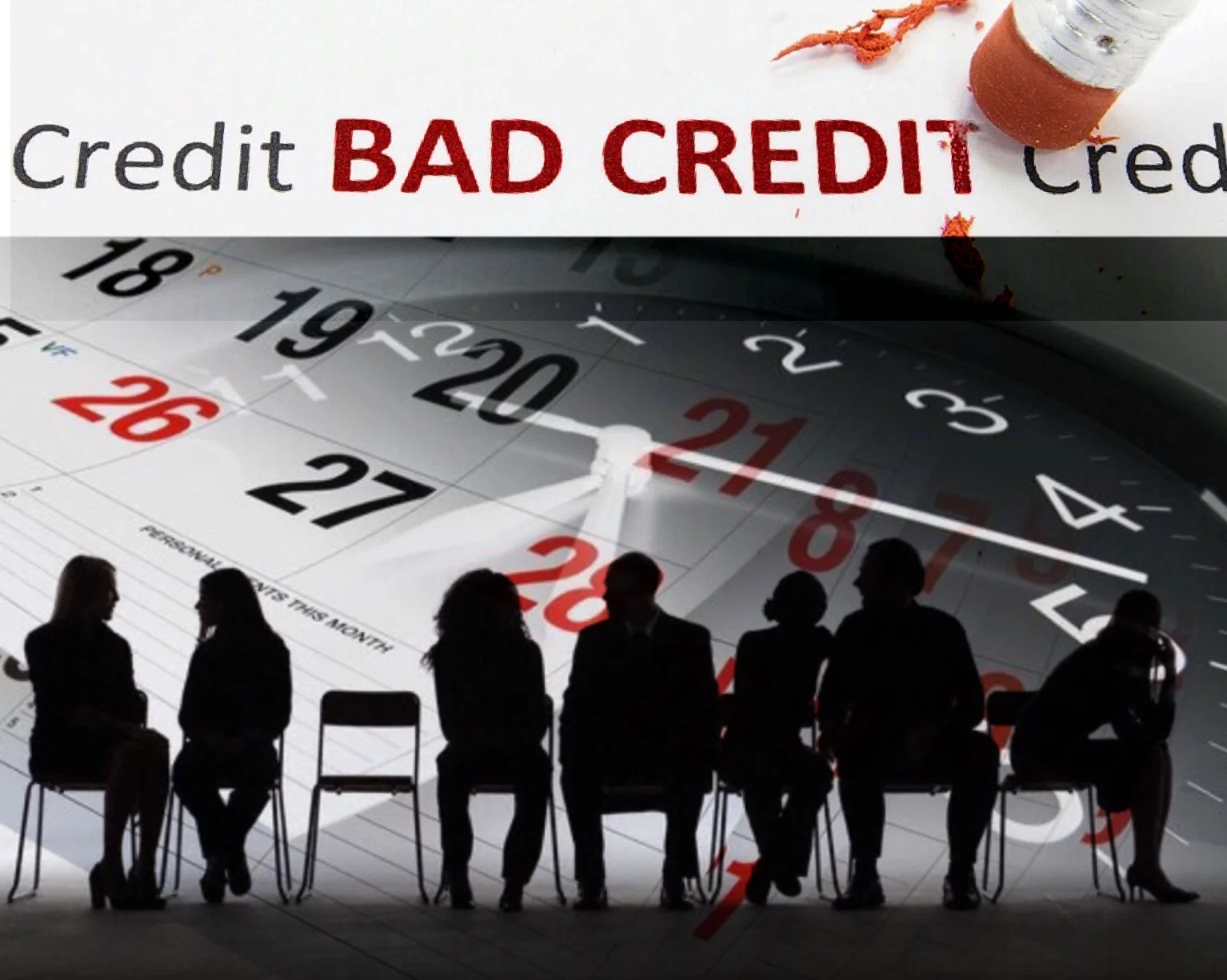
Have you experienced issues with credit bureau’s? It seems to be a running theme. The three major credit-reporting bureau’s – Equifax, Experian, and TransUnion, have had the most complaints for four consecutive years. These complaints involve inaccurate information on credit reports. Fighting with these bureaus can be a hassle because the bureaus have more power than the consumer.

            Lawmakers have only begun to pay attention since the enormous data breach from Equifax just two years ago. This led to being able to freeze your reports for no fee but didn’t provide any new ways to protect the consumer. There have been a few reforms in the past few years, such as bureaus being required to inform the other bureaus when a credit file is found to be mixed with another person and that a report can no longer include debts outside of an agreement or contract. For example, The reports are not allowed to include medical records that are 180 days old or less or medical debts that have been paid by an insurer.

            Problems have been persistent, and it seems that reform is not happening fast enough. The disputes are converted into codes that summarize the complaints for the data furnishers, which can be thought of as computers talking to computers. This can be frustrating when you have a dispute that is more complex and you need to talk to a real person.

            During the data breach of 2017, Equifax had a settlement of $700 million, which is comparable to a parking ticket in their eyes. It is just the cost of doing business and easier than changing their business practices to be fair and partial to consumers. It is imperative as a consumer to check your credit report regularly, or you may find yourself unexpectedly rejected for credit when it is most crucial. annualcreditreport.com is a site where you can check your credit report for free annually. As a consumer, it is your job to identify that your accounts are in good standing and have all the correct information. If your personal information is wrong, it could potentially be a mixed file or identity theft. It isn’t uncommon for a credit file to be mixed with someone who has similarities to your identifying information. It is most likely to happen if you have a common first and last name or if you have a family member with a similar or the same name. Credit bureaus may even consider only 7 of the 9 digits of your social security number when matching your information. You have the right to dispute these errors and have them corrected and/or deleted. An error in your file could prevent you from getting credit, renting a home, or getting a job.

            If you come across an error, you should take action from both sides. You should contact the furnisher that provided data to the bureaus and to contact the bureau(s) reporting the error. It may even be best to write a formal letter by mail so that a person and not a computer will receive the information. It also provides you with a paper trail if you were to make a claim.  Being persistent is key, it is not easy to get a furnisher to immediately admit their wrongs. Filing a dispute with the credit bureaus as you communicate with the furnisher will help preserve your right to make a legal claim if the error fails to be corrected. You can find dispute information and mailing addresses through these links: equifax.com/disputesexperian.com/disputes and transunion.com/disputes Contact us today with any questions you may have regarding your credit report.


How long does information stay on your credit report?

How long does information stay on your credit report?

According to federal law, credit reporting agencies may report negative information on your credit report for a specific amount of time. The amount of time depends on the type of discrepancy. The times are as follows:

  • Bankruptcies can be reported for ten (10) years.
  • Civil suits, judgments, and records of arrest can be reported for seven (7) years.
  • Paid tax liens can be reported for seven (7) years from the date of payment.
  • Accounts placed in collections can be reported for seven (7) years.

Out-of-Date Entries on Your Credit Report

Negative information such as: delinquencies, bankruptcies, charge-offs, loan defaults, foreclosures, lawsuits and judgments, and tax liens are barred from forever appearing on your credit report. The Fair Credit Reporting Act (FCRA) requires credit reporting agencies to remove most negative information from your credit reporting after the credit reporting time limit has expired. Reporting old, out-of-date information is against federal law.

According to the FCRA, credit reporting agencies cannot report negative information for an undetermined amount of time. In fact, negative information can only be reported for a specific amount of time.