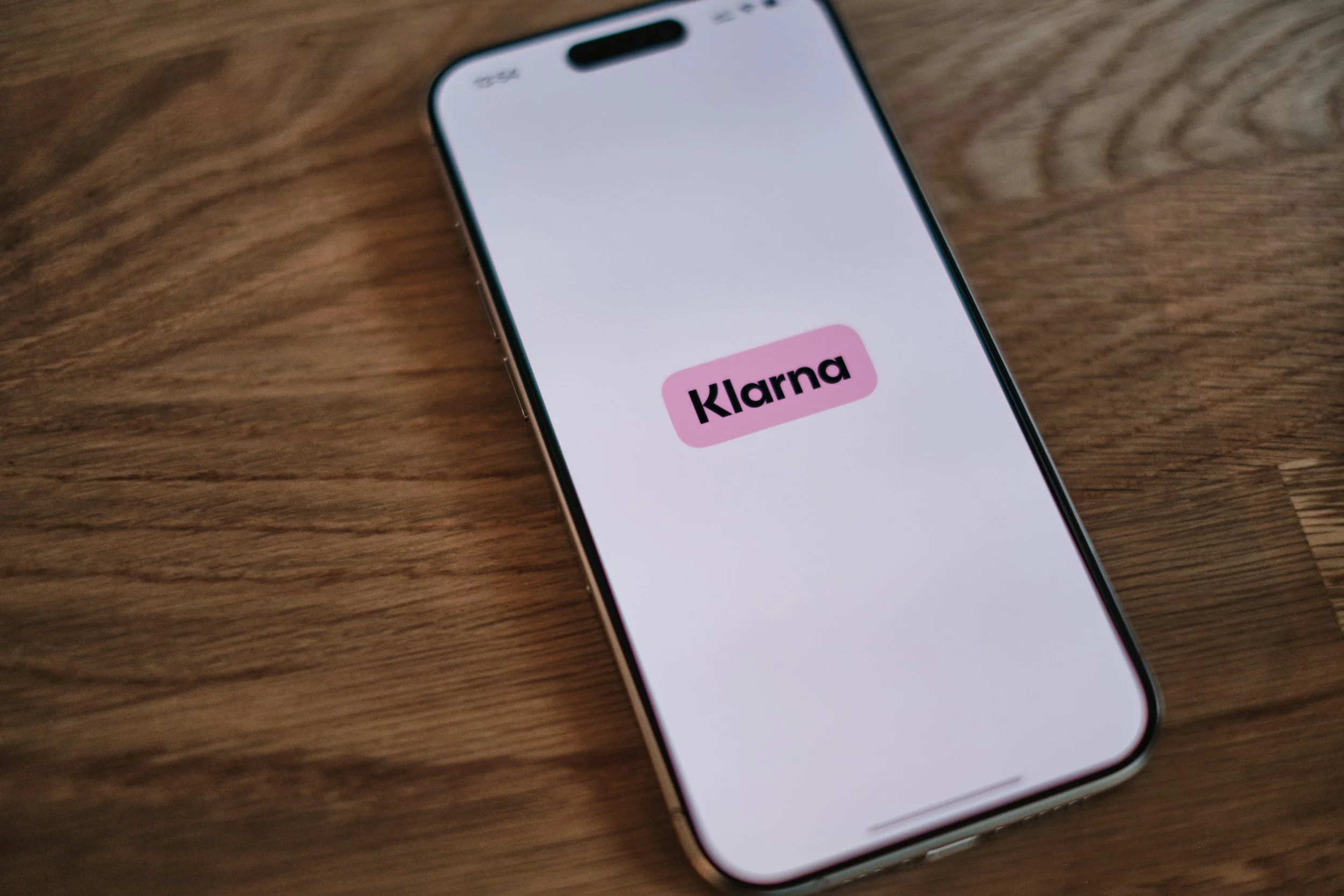
The so‑called “Klarna method” popping up in Detroit is a perfect example of how a viral online “hack” can quietly turn into a real‑world credit nightmare. It looks like fast money on social media, but behind the scenes it is garden‑variety fraud that can destroy both the victim’s and the scammer’s financial future.
What Is the “Klarna Method”?
On social platforms, the “Klarna method” is promoted as a “glitch,” “loophole,” or “method” for getting high‑priced items like phones and electronics with little or no intention of paying for them. In reality, it is usually done with stolen identities, or by people deliberately taking out Klarna credit and never planning to repay it. At its core, it is just buy‑now‑pay‑later (BNPL) abuse wrapped in slick marketing and coded language.
In Detroit and other cities, the method often involves targeting stores that accept Klarna, rushing through big purchases, and then reselling the goods for cash. The scam looks local because videos might show Detroit malls or neighborhoods, but the underlying technique is the same one being shared in private Telegram groups and viral clips everywhere. The geographic label mainly serves to make the “method” feel more real and urgent to viewers.
How the Scam Actually Works
From a fraud perspective, the “Klarna method” is not sophisticated; it relies on speed and volume, not clever coding or a real exploit. The basic pattern usually looks like this:
Fraudsters get “fullz” – stolen identity packages containing name, Social Security number, date of birth, address, and sometimes existing credit data.
Using these details, they open a Klarna account or BNPL line in the victim’s name, taking advantage of fast approval and minimal friction.
Once an account is approved and a limit granted, they immediately buy high‑value items such as phones, laptops, game systems, and designer goods.
The items are quickly flipped for cash, often at a steep discount, through online marketplaces, in‑person meetups, or local resale networks.
The account is abandoned, payments are never made, and the first time anyone really “notices” is when late notices or collections activity begins.
In some cases, people are talked into participating with their own real identity, convinced that there is a “glitch” that will somehow erase the debt later. These individuals are not victims of identity theft; they are simply taking on debt they cannot or do not intend to repay, which has its own serious consequences.
Why It Destroys Credit
The impact on credit is where the “Klarna method” goes from being a bad idea to a long‑term financial disaster. Credit scoring systems treat BNPL and related accounts in different ways, but the damage comes from missed payments and collections, not from the brand name on the account.
For identity theft victims, the fraudulent Klarna account can:
Show up as a new credit line or loan in their name.
Quickly go late, leading to derogatory marks and potential collections.
Drag down credit scores, sometimes by hundreds of points, affecting car loans, mortgages, and even job or apartment applications.
For people doing the scam in their own name, the story is even more straightforward:
Every missed payment and every collection gets recorded as a serious negative event on their credit file.
Those negative marks can stay for up to seven years, increasing the cost of borrowing or closing off access to credit entirely.
If they repeat this behavior with multiple BNPL providers, they can essentially “burn” their entire profile in a very short period.
The key idea is this: BNPL does not sit outside the credit system. Once you fail to pay and a debt is sold or placed with collections, it becomes a standard, damaging entry in the credit reporting ecosystem.
Legal and Personal Risks
Beyond the numbers on a credit report, the “Klarna method” carries real legal and personal risks.
For fraudsters using stolen identities, common charges can include:
Identity theft and related offenses.
Bank, wire, or access‑device fraud.
Organized retail fraud, especially if multiple people and stores are involved.
Law enforcement agencies in many areas are increasingly aware of BNPL abuse patterns, especially when they involve large electronics purchases and obvious reselling activity. The fact that the scam is being openly bragged about on social media only makes investigations easier.
For people who “just go along” because a friend or influencer promised it was safe, the risk is twofold: they can be charged as participants in the fraud, and they are left with badly damaged credit that may take most of a decade to fully repair.
How to Protect Yourself
If you live in or around Detroit and are seeing this trend circulate, there are concrete steps to take, whether you are worried about being targeted or already think something is wrong.
To lower your risk of becoming a victim:
Freeze or lock your credit files if you are not actively applying for new credit, so new BNPL or credit accounts cannot be opened without your knowledge.
Use strong, unique passwords and enable two‑factor authentication on your email and financial accounts, which are often used to reset access.
Be extremely cautious about sharing your Social Security number or uploading ID photos, especially to unverified sites or “method” groups.
If you suspect your identity was used:
Pull your credit reports from all major bureaus and look specifically for unfamiliar BNPL or Klarna‑type accounts.
Dispute any fraudulent accounts immediately and document everything: dates, reference numbers, and who you spoke with.
Place a fraud alert or extended fraud alert on your file, and consider filing an identity theft report and a local police report to create a formal paper trail.
The big lesson from the “Klarna method” story is that financial shortcuts almost always come with invisible strings. What looks like free money today often shows up a few months later as denied applications, higher interest rates, collections calls, and, for some people, a criminal case. Steering clear of “methods” and focusing on legitimate ways to build or rebuild credit is slower, but it is the only path that does not turn into a crisis down the road.